
-2.png)
The publishing world isn’t just a creative endeavor; it’s a business.
Over the past few years, I’ve worked with more than 130 clients across 10+ countries, guiding aspiring authors, entrepreneurs, and experts toward publishing success. Many came with the dream of landing a traditional publishing deal. Others chose to self-publish. What mattered most wasn’t the route—it was the strategy behind it.
At Trivium Writing, we don’t simply show you how to write a book. We teach you how to publish a book that serves your goals, builds your authority, and resonates with your target audience.
Whether you want to self publish or be traditionally published by a major publisher like Penguin Random House, your publishing journey must begin with clarity. Not clarity about the industry. Clarity about you.
Table of Contents
- What is Traditional Publishing?
- The Role of Publishing Houses in the Industry
- Preparing Your Book for Publication
- Finding a Literary Agent
- You Found a Literary Agent. Now What?
- Self-Publishing vs. Traditional Publishing
- Beta Readers, Editors, and the Publishing Team
- Common Mistakes Writers Make When Trying to Get Published
- Submission Packages, Query Letters, and Cover Letters
- The Path to Getting Published
- Final Thought
What is Traditional Publishing?
Traditional publishing means signing a deal with a publishing house. They foot the bill for editing, design, printing, and distribution. In exchange, you assign them rights and receive royalties—often after earning out an advance.
To the untrained eye, this sounds like the golden ticket. But the publishing industry is selective. Most writers never make it past the query letter. Publishing houses are flooded with unagented submissions they rarely open. If your goal is to publish your book through a traditional publisher, you need more than a manuscript. You need a positioning strategy.
I tell my clients this: publishers aren’t in the business of publishing books—they’re in the business of publishing products. Your manuscript is one part of the equation. Your platform, concept, and clarity of message complete the rest.
The Role of Publishing Houses in the Industry
Publishing houses are not charities. They don’t publish your work because it’s meaningful. They publish it because it fits a market. That’s why, before we ever talk about publishing, we get clear on your Internal Architecture: your purpose, your message, and your audience.
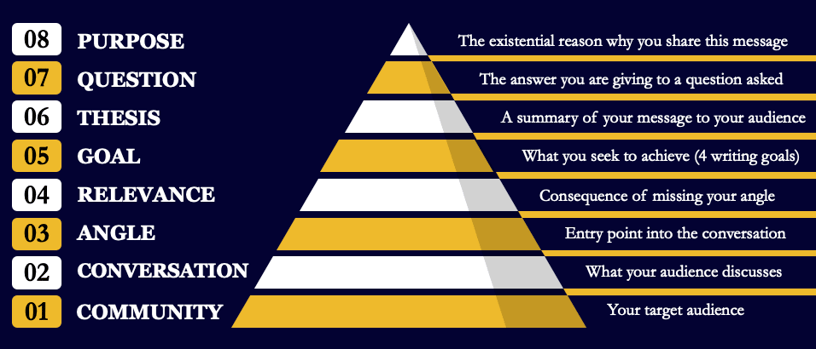
At Trivium, we reverse-engineer your book based on the needs of your reader and the expectations of the publishing team you’ll eventually pitch. This is how you differentiate in a saturated publishing world.
Most writers don’t fail because they lack talent. They fail because they never understood the rules of the publishing process.
Preparing Your Book for Publication
Before you think about how to get published, you need to finish your book—and finish it right.
Too many aspiring authors rush to find a literary agent before their full manuscript or book proposal is ready. That’s like trying to build a house on sand. At Trivium Writing, we take clients through a systematic process—The Architecture of Writing—to ensure their message is clear, structured, and ready for the publishing industry.
The publishing world isn’t looking for potential. It’s looking for polish.
Fiction: Submit a Full Manuscript or Don’t Submit at All
If you're writing literary fiction or commercial fiction, your manuscript must be complete—and exceptional.

Not just finished. Refined.
That means:
-
Clear narrative structure
-
Defined character arcs
-
No weak chapters, sagging middles, or undercooked scenes
This is where beta readers come in. They help you see what you can’t. I advise every client to use at least 2–3 beta readers before involving a professional editor. These early readers can be your best friend—or your reality check.
Non-Fiction: Craft a Powerful Book Proposal
Non-fiction authors don’t necessarily need a finished manuscript—but they do need a compelling book proposal.
This document is a business case for your book. It includes:
-
An overview of your concept
-
Target audience and niche market
-
Competitive analysis with similar books in the same genre
-
Sample chapters (2–3 strong ones)
-
Your platform and credentials
The stronger your proposal, the more likely a literary agent will take interest—and pitch you to traditional publishers like Penguin Random House, St. Martin’s Press, or even university presses.
Revise with Purpose
At Trivium, we treat revision as a process of discovery. One client came to us with a finished manuscript she’d already rewritten twice. Through our External Architecture framework, we realized her core message wasn’t yet clear. Within weeks, her concept shifted—and so did the entire trajectory of her book.
Revisions aren’t cosmetic. They’re strategic.
Take a break from your first draft. Then come back with fresh eyes—or better, a professional editor who understands both writing and publishing. This is where your manuscript transforms from a personal passion project to a publishable product.
Don't Skip the Professional Editor
I’ve worked with former ministers, CEOs, and Ivy League professors. None of them got published without an editor. Neither will you.
Even the best writers need editing. A professional editor:
-
Improves structure, style, and coherence
-
Eliminates redundancy and confusion
-
Prepares your work for agents and publishers
This isn’t about grammar. It’s about quality—and credibility. If you're serious about getting a publishing deal, editing is non-negotiable.
Whether you want to publish your book with a traditional publisher or self publish for more control, your manuscript must reflect clarity, confidence, and competence.
The publishing industry rewards those who treat writing as a professional act.
Your finished manuscript is your business card. Make sure it’s one that says, “I’m ready.”
Finding a Literary Agent
If you want a traditional publishing deal, you need a literary agent.
Literary agents are the gatekeepers of the traditional publishing world. They’re the ones pitching your work to editors at publishing houses like Penguin Random House or Simon & Schuster. Without them, your manuscript likely won’t reach the right publisher—or any publisher at all.
But here’s the part most writers miss: literary agents don’t just represent books—they represent brands. Your brand is your message, your concept, and your clarity. Without those, even a finished manuscript will fall flat.
At Trivium Writing, our process ensures your submission package positions you for success with agents and publishers alike.
Create a Targeted List of Agents in Your Genre
This is not a numbers game. It’s a research game.

You don’t find a literary agent by mass-emailing 100 people and hoping for a miracle. You find a literary agent by identifying professionals who:
-
Represent your genre (fiction, memoir, business, self-help, etc.)
-
Work with similar authors
-
Have connections at the publishing houses you’re targeting
Look up their past deals. Read interviews. Study their submission guidelines.
Your dream agent should be someone who can sell your book to the right editor at the right publishing house. That only happens when your concept fits their interests and their network.
Write a Query Letter That Actually Works
The query letter is your first impression. And in this business, first impressions matter more than you think.
Your query letter must:
-
Hook the reader with your concept in one or two lines
-
Introduce the core idea of your book
-
Explain why you are the person to write this book
-
Show how it fits into the publishing landscape
Think of it as a cover letter—but with the pressure turned up.
At Trivium Writing, we help clients craft query letters that don’t just describe the book. We write letters that position the book. That means connecting your manuscript to a niche market, to trends in the industry, and to what literary agents are actively seeking.
Before sending your letter, run it past beta readers or a professional editor. One poorly written query can get you overlooked—even if your manuscript is excellent.
Send Queries Strategically
It’s acceptable to query multiple literary agents at once. In fact, it’s smart.
But each query must be customized. Mention why you’re reaching out to that agent. Reference a client they’ve worked with. Show that you’ve done your homework.
Agents can spot a copy-paste query a mile away—and they don’t forget it.
Keep track of your submissions in a spreadsheet. Note when you sent the query, what materials you included (e.g., full manuscript, sample chapters), and when a response is due. The process can take a few months, so set reminders to follow up.
Patience Is Part of the Process
The publishing process moves slowly. Most responses take 4–12 weeks. Some agents never respond.
If you receive a rejection, take it as data—not failure. I’ve had clients revise their book proposal based on early rejections and land a publishing deal with a major publisher months later.
The query letter stage is not the finish line—it’s the filter.
When the right agent sees the right book presented the right way, doors open.
Don’t chase agents—attract them.
The more clarity, specificity, and strategic thought you bring to your manuscript, the more likely you are to catch the attention of someone who can get your work published.
The traditional publishing industry isn’t looking for people who want to write a book. It’s looking for authors who are ready to be published.
You Found a Literary Agent. Now What?
Getting a literary agent doesn’t mean your book is getting published. It means your manuscript is about to be tested in the real publishing world.
When an agent submits your work to editors at publishing houses, they’re not just pitching a book—they’re pitching a business case. That pitch has to make sense for the editor, the publishing team, the marketing department, and ultimately, the niche market your book targets.
If your manuscript isn’t already refined—through beta readers, a professional editor, and a strategic framework like the one we use at Trivium Writing—you’re unlikely to get far.
It's sad but true: publishing is not just a creative act. It’s an economic transaction, too.
What Agents Do Behind the Scenes
Once your literary agent believes in your work, they prepare a submission package.
This includes:
-
A sharp pitch email tailored to each editor
-
A short synopsis of your book
-
Your full manuscript (for fiction) or book proposal (for non-fiction)
-
A positioning statement: why your book matters now and who it’s for
Then, your agent starts pitching editors—usually acquiring editors—at publishers that fit your book. These editors aren’t reading for enjoyment. They’re reading with one question in mind: Can we sell this?
The more aligned your book is with that editor’s list and the publishing house’s goals, the higher your chances of getting an offer.
Behind Every Publishing Deal Is a Team
If an editor at, say, Penguin Random House or St. Martin’s Press likes your book, they don’t just sign it. They bring it to an acquisition meeting. That’s where marketing, sales, and finance weigh in.
They’ll consider:
-
How the book fits with the publisher’s list
-
Whether you have a platform or audience
-
How your book compares with others in the same genre
-
Whether your concept can move physical books—not just digital
This is why your Internal Architecture and External Architecture matter so much. They ensure your book speaks with clarity and conviction—and that it can hold up under commercial scrutiny.
Understanding the Publishing Contract
If a publishing house wants your book, they’ll make an offer. Your agent will negotiate the deal, which typically includes:
-
Advance: An upfront payment paid out in multiple installments (e.g., on signing, delivery, and publication)
-
Royalties: A percentage of each book sold, after you’ve “earned out” your advance
-
Rights: Domestic, foreign, audio, film, and more
Make no mistake: the publishing contract is a legal and financial agreement. It determines who controls what—and how you get paid. This is why having a strong agent (and, often, a lawyer) matters.
Editorial and Production
After you sign the contract, the publishing process enters its most collaborative stage. Your acquiring editor sends you an editorial letter—a multi-page document suggesting revisions.
You’re expected to:
-
Accept feedback
-
Revise your manuscript (often more than once)
-
Maintain your voice while improving the clarity, structure, and impact
This is not the time to be defensive. Publishing houses want authors who are collaborative, professional, and focused on the final product. At Trivium Writing, we train our clients to handle this phase with grace and precision. That way, they work with the publishing team, not against it.
Design, Production, and Marketing
Once your manuscript is finalized:
-
A cover designer creates the visual identity of your book
-
The production team formats it for print and digital
-
The marketing department creates a launch plan (if they believe in your book’s marketability)
Depending on your publisher, you may or may not get much support. Some major publishers give full campaigns; others offer minimal promotion. That’s why authors today—even traditionally published ones—must think like marketers.

Your publishing house gets your book printed. You get it into readers’ hands.
The Publishing Process Isn’t a Mystery, It’s a System
Most writers don’t fail because they’re untalented. They fail because they never learn the publishing process. They don’t know how to find publishers, work with agents, or build a concept that fits the market.
When you understand how traditional publishing works, you stop waiting to be discovered—and start acting like the author you already are.
Self-Publishing vs. Traditional Publishing
The publishing world loves binaries: fiction or nonfiction, physical book or ebook, self publish or traditionally published.
But real publishing doesn’t operate in binaries. It operates in fit.
At Trivium Writing, I’ve coached over 130 clients through both self-publishing and traditional publishing. The choice isn’t about ego or status; it’s about purpose. What do you want your book to do for you? That answer determines which path will serve you best.
Self-publishing and traditional publishing are simply two tools. The question is which one aligns with your goals, your timeline, and your audience.
Traditional Publishing
If you want to be published by a traditional publisher like Penguin Random House or St. Martin’s Press, understand this: publishing houses aren’t buying books. They’re buying authors who can help them sell books.
Here’s what traditional publishing offers:
-
Prestige and perceived credibility
-
Distribution into bookstores (especially for physical books)
-
Professional editorial, design, and production support
-
Sometimes, marketing (usually limited unless you’re a big name)
Here’s what it requires:
-
A polished manuscript or book proposal
-
A literary agent who submits your work to specific editors
-
A platform or strong niche market presence
-
Patience—sometimes years
Traditional publishing moves slowly and selectively. That’s why our process at Trivium focuses on strategy from the start. You can’t wait until your book is finished to figure out how to get published—you have to design the book with publishing in mind.
The Self-Publishing Option
Self-publishing has democratized the publishing process. You don’t need permission. You need a plan.
Self-publishing gives you:
-
Creative control over content, design, and voice
-
Higher royalties (often 70%+ on digital sales)
-
Speed to market—your book can be out in a few months
-
The ability to build your own publishing team (editor, designer, formatter)
What it demands:
-
A higher upfront investment (editing, design, distribution)
-
A strong understanding of your target audience
-
A willingness to market yourself and your book
At Trivium Writing, we help our clients self-publish professionally. That means applying the same quality standards that a traditional publisher would use—but keeping you in charge.
You don’t need to compete with Penguin Random House. You need to present your book like it belongs beside theirs on the shelf.
Will Self-Publishing Hurt Your Chances with Traditional Publishers?
Many writers worry that if they self-publish now, they’ll lose the chance to be traditionally published later.
The opposite is often true.
If you self publish and your book performs well—either in sales, reviews, or niche visibility—you become more attractive to literary agents and traditional publishers. You’re proving what they want to see: market fit.
Some of the biggest traditional publishing deals today go to authors who started with self-publishing. Think of it not as burning a bridge but building a portfolio.
Your Book, Your Business Model
Publishing isn’t just about getting your work published. It’s about what your book does for you. That’s why we ask foundational questions at the start of every client engagement:
-
Is this book a calling card or a commercial product?
-
Is your priority reach, revenue, or reputation?
-
Do you want complete creative control, or do you want someone else managing the details?
Your answers shape your publishing plan.
Sometimes, we advise clients to self-publish their first book and pitch the second to traditional publishers. Other times, we aim straight for a major publisher with a strong proposal and sample chapters.
What matters most is not the path—but the fit between your strategy and your publishing goals.
Whether you go with a traditional publisher or choose to self publish, your book must meet professional standards.
The manuscript needs to be structured. The ideas must be clear. The writing has to resonate.
Publishing is a business, and you are the product.
The sooner you think like a publishing team, the sooner your work will reach the right audience in the right format at the right time.
Beta Readers, Editors, and the Publishing Team
Most writers think of publishing as a solo pursuit. They picture themselves at their desk, writing the finished manuscript that lands them a publishing deal with a New York publisher or top-tier publishing house.
But publishing is not a one-person show. It’s a team sport.
Even traditionally published authors—especially those published by Penguin Random House or St. Martin’s Press—rely on beta readers, editors, and designers. The same applies if you plan to self publish. The difference is you are the publishing house.
Whether you’re aiming for traditional publishing or self-publishing, you need a professional publishing team behind you.
The Strategic Role of Beta Readers
Beta readers aren’t your friends telling you, “It’s great!” Beta readers are your early market testers.
At Trivium Writing, we teach our clients to treat beta readers like strategic advisors. You want readers who:
-
Represent your target audience
-
Can identify gaps in your logic or narrative
-
Provide honest, structured feedback
The beta reader phase helps you refine your voice, tighten your argument, and adjust the structure before you even speak to a literary agent.
Think of it this way: your beta readers help you revise your book before the real stakes begin.
Why Every Writer Needs a Professional Editor
You wouldn’t pitch a TV pilot with a shaky script. You wouldn’t present an investment deck filled with typos.
Yet, many writers submit full manuscripts to agents and publishers without professional editing.
Don’t make that mistake.
An editor does more than correct grammar. A great editor:
-
Sharpens your structure
-
Elevates your tone and style
-
Ensures your book resonates with its target audience
-
Prepares your manuscript for submission to agents and publishers
This is especially critical if you’re trying to publish your book through traditional publishers. The competition is fierce. Your manuscript can’t be “promising.” It has to be ready.
Our clients often tell us the editing process is where their book finally clicks. They see the professional version of their idea take shape—and they gain the confidence to pitch it to the publishing industry.
Building Your Publishing Team
If you’re self-publishing, you’re the project manager. You assemble your team, which typically includes:
-
A professional editor (developmental and/or line editing)
-
A cover designer (someone who knows your genre)
-
A typesetter or formatter for print and digital editions
-
A proofreader
-
A publishing strategist or coach (optional—but powerful)
Many writers skip steps here. They think formatting tools and AI can replace professionals. What they don’t realize is this: you’re not competing with amateur writers. You’re competing with traditionally published books from major publishers.
Your book must look, feel, and read like it belongs in a bookstore—even if you self publish.
Publishing Is Not the Final Step
Writers often think getting published is the finish line. It’s not.
Publishing is the beginning of distribution. Of positioning. Of legacy.
That’s why we build long-term thinking into our process at Trivium. You’re not just writing a book—you’re building an asset. And whether you're pitching literary agents or launching your book yourself, the same principle applies:
Publishing is about impact, and impact requires intention.
Common Mistakes Writers Make When Trying to Get Published
Many writers want to publish their book with a traditional publisher. Others hope to self publish and build an audience on their own terms. But regardless of the path, most writers make the same mistakes—and those mistakes cost them publishing deals, readership, and credibility.
After working with over 130 clients worldwide, I’ve seen these patterns too often. Writers underestimate the process. They overestimate the strength of their first draft. They ignore the structure that turns a manuscript into a publishing asset.
Publishing isn’t just about talent; it’s about readiness.
Mistake #1: Rushing to Submit
The publishing process has multiple rounds: drafting, revising, beta reading, editing, packaging.
Most writers skip steps.
They finish a manuscript, feel the buzz of completion, and immediately send query letters to literary agents. They think getting published is just about getting noticed.
But agents and publishers don’t reward enthusiasm. They reward excellence.
This is why The Architecture of Writing exists—to give writers a clear, structured path from concept to polished, market-ready manuscript.
Skipping steps won’t get you there faster. It’ll just get you ignored.
Mistake #2: Writing Without Strategy
Many writers know what they want to write—but not why or for whom.
Without a clear goal, target audience, and publishing vision, your manuscript won’t resonate with agents, editors, or readers. And if you can’t articulate the purpose behind your book, you won’t be able to pitch it effectively in a query letter or cover letter.
When we work with clients, we don’t just fix sentences. We fix direction. We clarify:
-
What the book is meant to do
-
Who it's written for
-
Why it matters now
Clarity sells. Confusion gets passed over.
Mistake #3: Avoiding Feedback and Revision
Most writers revise far too little. Not because they’re lazy—but because revision feels like a threat to their creative ego.
But if your goal is to publish your book—especially with a traditional publisher—you have to treat feedback as fuel.
At Trivium Writing, we build ongoing revision into the process. We expect pushback. We welcome rewrites. Because every revision moves the manuscript closer to market quality.
Rewriting doesn’t mean your first draft was wrong. It means your final draft is worth publishing.
Mistake #4: Going Alone
Publishing isn’t the time to “figure it out yourself.”
Whether you’re researching literary agents, crafting your book proposal, or formatting a print edition for self-publishing, trying to do it all without guidance almost always leads to unnecessary errors—and lost time.
This is where professional help matters:
-
A writing coach to help you stay focused
-
A publishing consultant to help you understand the whole process
-
A professional editor to elevate your manuscript
Even traditionally published authors have teams. Why would it be any different for you?
Mistake #5: Thinking Short-Term
Publishing is a long game. The right book, written with purpose and distributed strategically, can position you for years. But most writers obsess over launch day or a few initial reviews.
I teach clients to think 18–36 months out.
What will your book do for your business, your platform, your legacy? How will it open doors? Build relationships? Establish credibility?
When you stop thinking like a writer and start thinking like a publisher, everything changes.
Submission Packages, Query Letters, and Cover Letters
When it comes time to submit your work, what you send matters as much as what you’ve written.
Whether you’re approaching literary agents or traditional publishers directly (rare, but still possible with university presses or imprints that allow unagented submissions), you need a submission package that commands attention.
Your manuscript may be brilliant. But if your query letter or cover letter doesn’t open the door, no one will ever read it.
The Three Core Elements of a Submission Package
At Trivium Writing, we help clients build submission packages that position their work for success in the publishing industry. A professional submission package typically includes:
-
A Query Letter
-
A Cover Letter
-
Your Full Manuscript or Book Proposal (depending on genre)
Each piece must be strategically crafted to showcase your message, your professionalism, and your book’s market potential.
The Query Letter: Your Sales Pitch in 300 Words
A query letter is not a summary of your book. It’s not an essay. It’s a sales tool designed to get the agent or editor to say, “Send me more.”
Your query letter should include:
-
A compelling hook (1–2 lines that grab attention)
-
A short paragraph about your book (genre, premise, themes, target audience)
-
A paragraph about you (relevant background, platform, previous work)
-
A closing sentence with submission details (what’s enclosed, next steps)
Avoid vague language. Avoid filler. Be specific and precise.
This is your audition—and it must sound like the book belongs on a New York publisher’s list.
The Cover Letter: Formal but Personal
Cover letters are sometimes required in addition to a query letter—especially when submitting directly to a traditional publisher or university press.
The cover letter should:
-
Be addressed to a specific person (not “To Whom It May Concern”)
-
Include a short introduction to your book
-
Explain why you chose that publisher or agent
-
Briefly outline your platform or credentials
-
Mention what’s included (e.g., full manuscript, sample chapters)
While the query letter is designed to spark curiosity, the cover letter is about fit and professionalism.
The Book Proposal or Full Manuscript: What Agents and Publishers Actually Read
If you’re submitting fiction, you need a full manuscript—polished, edited, and complete.
For nonfiction, you need a book proposal, which usually includes:
-
An overview
-
Target audience
-
Competitive titles
-
Author bio
-
Marketing plan
-
Chapter outline
-
Sample chapters (2–3 strong ones)
At Trivium, we often spend more time on the proposal than the manuscript. That’s because a well-structured proposal can land a publishing deal before the book is even written.
Your proposal is your business case.
One More Thing: Presentation Counts
Don’t send a poorly formatted Word document with inconsistent fonts and placeholder titles.
Whether you’re self publishing or pitching to agents and publishers, your materials must look professional. Use a readable font. Double-space your manuscript. Follow submission guidelines to the letter.
Respect the standards of the industry you want to enter.
The Path to Getting Published
Getting published isn’t a mystery.
It’s a path—narrow, but clear. The publishing world rewards preparation, strategy, and long-term thinking. That’s why at Trivium Writing, we don’t ask, “How fast can you write your book?” We ask, “What role will your book play in your life, your career, your legacy?”
Whether you want to self publish or land a traditional publishing deal with a major publisher, the goal is the same: to publish your book professionally, and with intention.
And that goal is more accessible today than ever—if you’re willing to do the real work.
Your Book Deserves to Be Done Right
As a writing coach, consultant, and publishing strategist, I’ve seen firsthand what publishing can do: elevate careers, shift public perception, land keynote speaking invitations, and crystallize a lifetime of work into a single, permanent product.
I’ve helped clients publish with major publishers, self publish professional-grade books, and build platforms that changed the trajectory of their lives.
But none of that happens without structure, clarity, and a willingness to think long term.
Publishing isn’t just about having your work published. It’s about ensuring your work lasts.
Final Thought
Whether you choose to self publish or go the route of traditional publishing, remember this:
You are the author, but you are also the architect.
And if you want your book to stand the test of time, you need more than talent. You need structure. You need strategy. You need support.
That’s what we offer at Trivium Writing.
If you're ready to publish your book—professionally, powerfully, and on your terms—book a call with us. Let’s build your publishing roadmap together.


Article by Leandre Larouche
Leandre Larouche is a writer, coach, and the founder of Trivium Writing.

.png?width=352&name=SERVICES%20IMAGES%20(34).png)
-3.png?width=352&name=SERVICES%20IMAGES%20(6)-3.png)
-4.png?width=352&name=SERVICES%20IMAGES%20(7)-4.png)